Director of Photography | Netflix
“Vital filmmaking from a powerful new voice.”
— One Room With A View (Rotten Tomatoes featured critic)
An Invitation
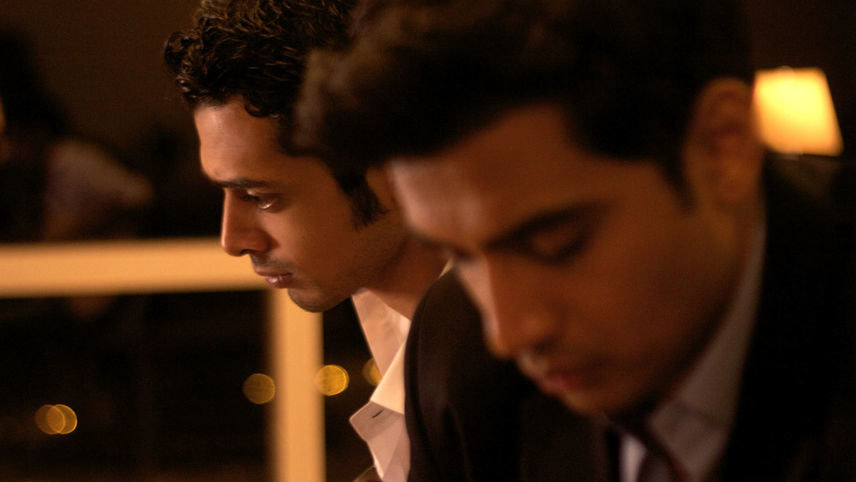
LOEV begins small—two men, a shared history, a trip meant to settle unfinished emotional business. What unfolds is not a conventional romance, but a reckoning: with desire, with power, with the versions of ourselves we outgrow and the ones that still haunt us.
Made on a shoestring budget, LOEV is a film that trusted intimacy over scale. It asked a simple, risky question: what happens when you let silence, proximity, and emotional tension do the work?
The Work
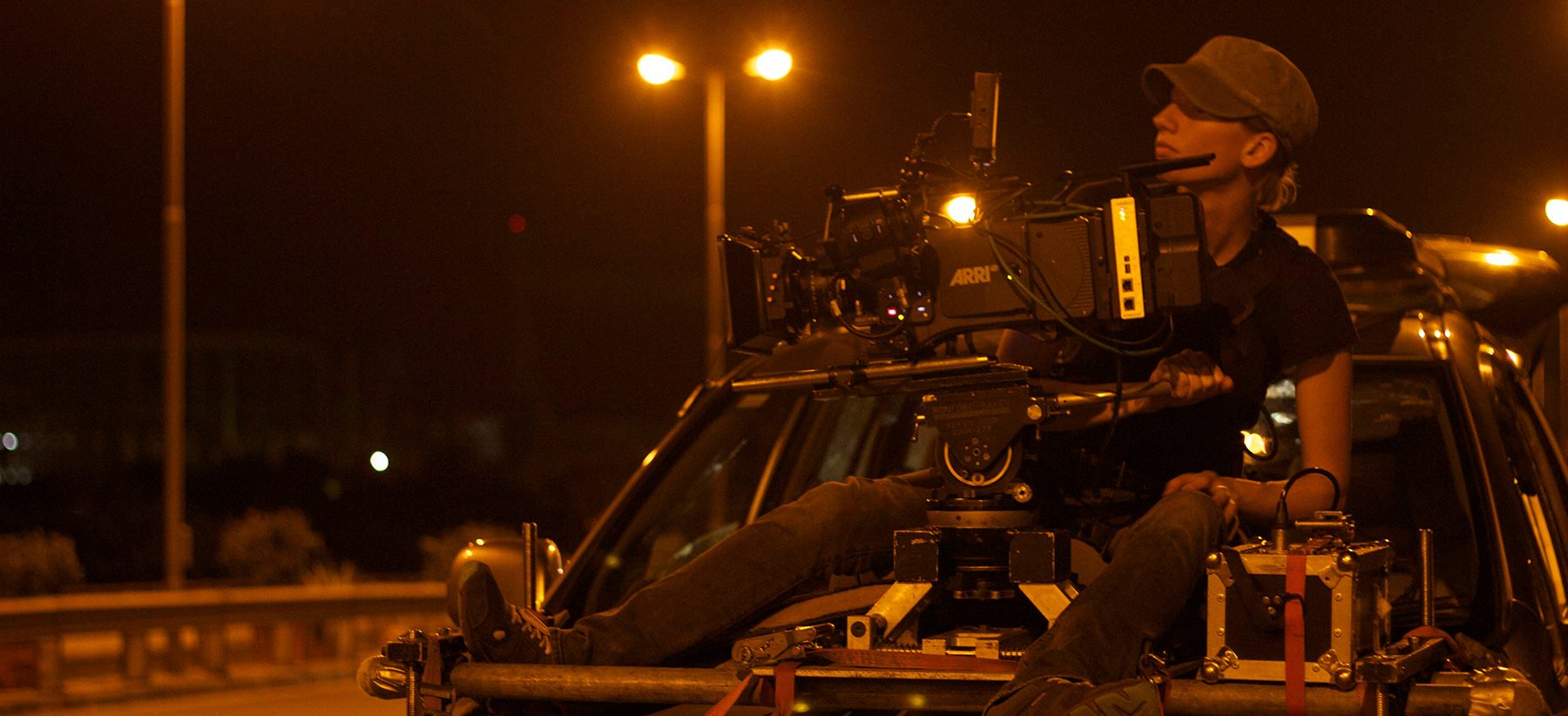
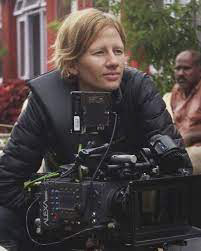
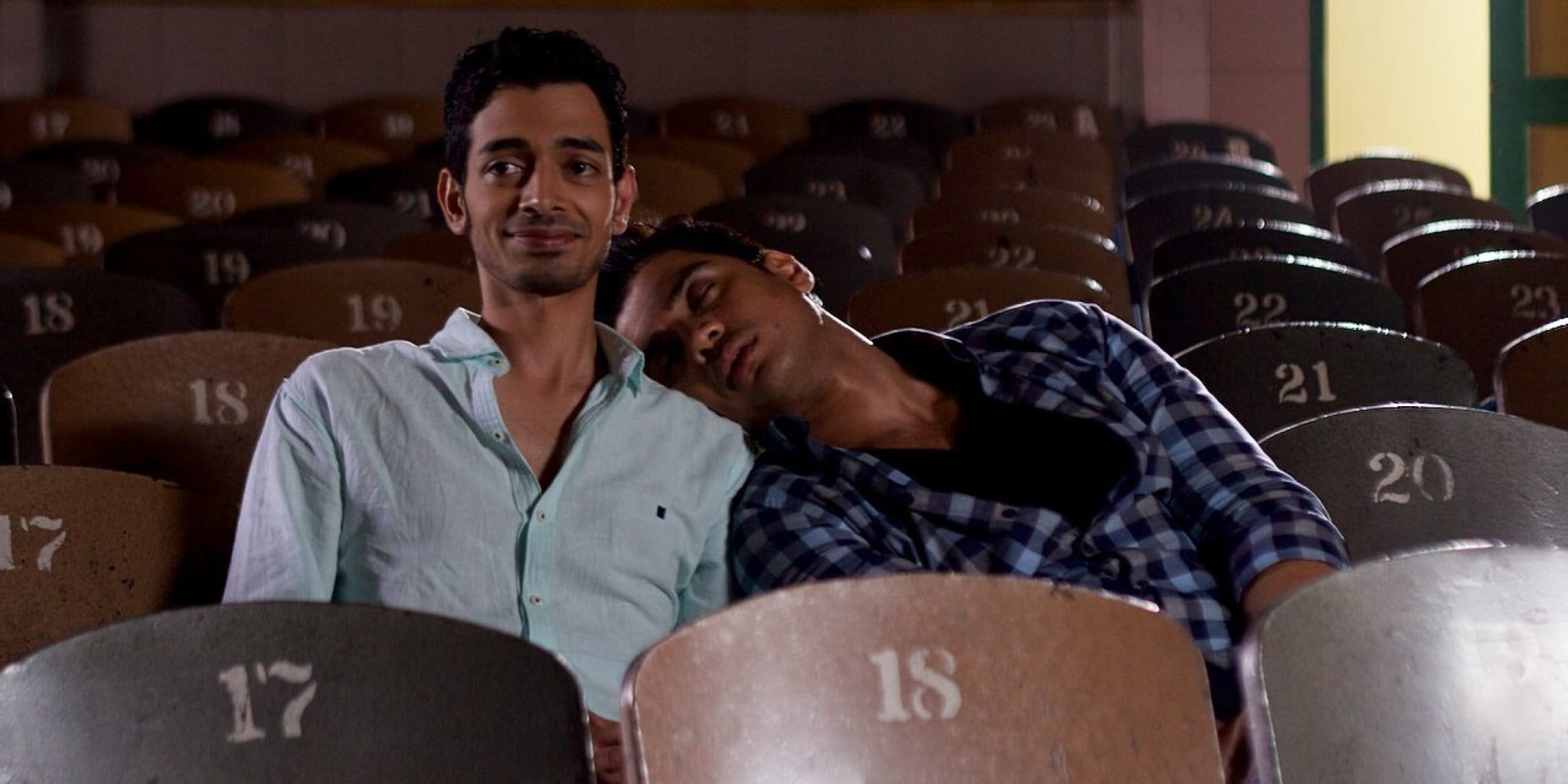
As cinematographer, my role was to protect the film’s emotional truth above all else. The camera stays close, often uncomfortably so—tracking micro-shifts in dominance, longing, and vulnerability between the characters.
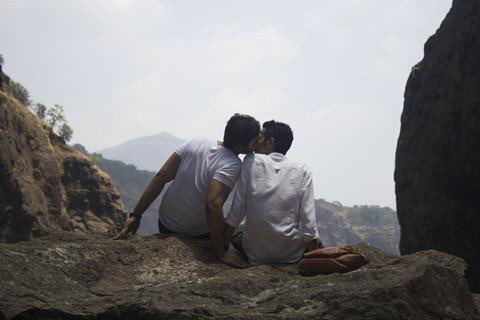
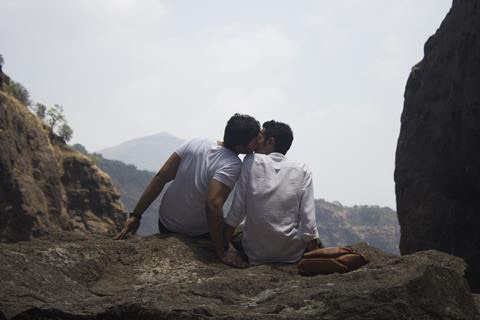
Natural light and restrained movement ground the film in realism, while framing choices subtly reflect imbalance and desire. Landscapes are present but never romanticized; they function as emotional pressure rather than escape. With minimal resources, every visual decision had to earn its place—nothing ornamental, nothing wasted.
The result is a visual language built on restraint, trust, and attention.
The Experience
Watching LOEV feels like being drawn into a private conversation you’re not sure you’re allowed to hear. The experience is intimate, tense, and quietly devastating.
The camera doesn’t guide the audience toward comfort or resolution. It stays with uncertainty, allowing emotion to surface at its own pace. This patience is what gives the film its lasting impact—inviting viewers not just to watch, but to feel implicated.
Impact & Reach
Despite its modest production, LOEV became a globally embraced independent film, screening at major international festivals including Frameline, SXSW, Guadalajara International Film Festival, Los Angeles Asian Pacific Film Festival, Jeonju International Film Festival, the International Film Festival of India (Goa), Madrid, Tenerife, and Atlanta.
The film traveled across **multiple continents—North America, Europe, and Asia—**connecting with audiences worldwide and earning a devoted following for its honesty and emotional rigor. LOEV stands as proof that intimacy scales: a small film, made with care, can move freely across borders.
LOEV didn’t chase mass reach—it reached deeply influential audiences:
International festival programmers
LGBTQ+ global audiences
Critics and academics studying contemporary queer cinema
Independent filmmakers citing the film as reference text
Art-house and repertory cinema audiences
This is a film that entered canon conversations, not just release cycles.
Legacy
This is where LOEV quietly outperforms many bigger films.
Frequently cited as a breakthrough Indian queer feature of its era
Continues to be referenced in queer cinema retrospectives and syllabi
Recognized for its emotional realism and restraint, not novelty
Helped establish Sudhanshu Saria as a distinctive global voice
Serves as a proof-of-concept that intimate, low-budget films can travel internationally without compromise
Reflection
This project reaffirmed the power of trust—between collaborators, between camera and performance, between film and audience. When budget disappears as a safety net, intention becomes everything.
LOEV remains one of those rare films that reminds you why you do this work at all: to tell stories that are specific, brave, and unafraid of quiet—and to watch them find their way into the world.
Featuring: Dhruv Ganesh, Siddharth Menon, Shiv Panditt